



Why the 2026 Toyota Tundra’s hybrid is a towing advantage over the 2026 Ram 1500 for Hampton, GA drivers
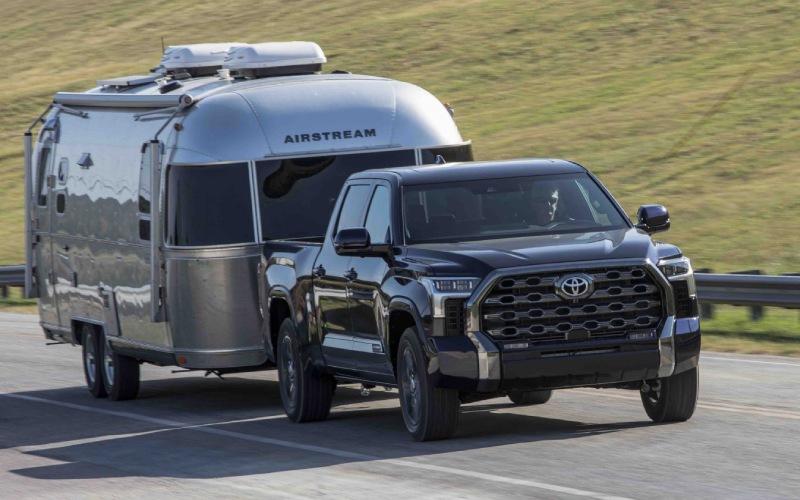
LaGrange Toyota – Why the 2026 Toyota Tundra’s hybrid is a towing advantage over the 2026 Ram 1500 for Hampton, GA drivers
Getting the right answer to a common truck question
When shoppers compare full-size pickups, one question surfaces again and again: does the 2026 Toyota Tundra’s hybrid actually help with towing compared with the 2026 Ram 1500? Around Hampton, GA, where a single weekend can include a highway pull followed by slow-speed maneuvering at a crowded launch or job site, the answer matters. The short version: yes, the Tundra’s available i-FORCE MAX hybrid brings a real-world towing advantage thanks to its electric motor’s instant torque and the composite bed’s long-haul durability edge.
Tundra’s i-FORCE MAX pairs a twin-turbo gasoline V6 with an electric motor to produce 437 horsepower and 583 lb.-ft. of torque. That electric assist comes on immediately from a stop, which helps you ease a loaded trailer up a ramp or merge decisively with traffic. Properly equipped, Tundra can tow up to 12,000 lbs., giving you a cushion for gear, passengers, and the unexpected. Ram 1500 counters with strong gasoline engines, including Hurricane twin-turbo options and the returning HEMI V8, and can tow up to 11,610 lbs. The Ram lineup is powerful, no question, but it does not offer a full hybrid in Ram 1500, which is where Tundra’s low-speed, high-control response shows through for Hampton-area owners.
Why hybrid torque changes the towing feel
Think about the tough towing moments: inching up a grade on wet pavement, negotiating a tight turn with a long trailer, or reversing into a crowded lot. In these situations, quick, measured torque is king. The Tundra’s hybrid powertrain fills in torque instantly and smoothly, reducing the need to work the throttle and delivering confident momentum without a surge. That same composure helps on the highway when you need a mid-speed pass with a trailer in tow — fewer downshifts, more direct push.
Ram’s Hurricane engines are impressive and quick, especially unladen, and the HEMI V8 continues to be a familiar, proven choice for many truck owners. If your routine is mostly light-duty commuting with occasional towing, either brand can handle it. If you tow often — and especially if you tow in tight quarters or on variable surfaces — Tundra’s hybrid assistance can simplify your day.
Bed strength and brake control matter, too
Towing isn’t just about what’s under the hood. Across seasons and years, your truck bed takes a beating. Tundra’s aluminum-reinforced composite bed resists dents and corrosion from tools, equipment, and cargo straps, helping maintain structural integrity and appearance. Ram 1500’s steel bed remains work-ready and supports helpful accessories, but steel is more susceptible to surface wear and potential rust if the finish is compromised.
Stopping and directional control complete the story. Tundra offers an Integrated Trailer Brake Controller and Trailer Backup Guide with Straight Path Assist, while the available Panoramic View Monitor provides a 360-degree look around the truck. Ram 1500 answers with its own integrated brake controller and Trailer Reverse Steering Control, plus a 360 Surround View system. Both deliver useful tools, but the way Tundra’s systems are presented on the available 14-in. touchscreen and 12.3-in. digital gauge cluster makes the workflow feel especially intuitive when you are alone at the hitch.
How Hampton, GA driving patterns shape the decision
Hampton-area owners regularly move between open highway stretches and neighborhood or event parking, meaning transitions from speed to crawl are constant. Hybrid torque smoothing in the Tundra can ease those transitions, especially with a trailer or a bed full of landscaping gear. The multi-link rear coil-spring suspension helps keep the truck settled, and available TRD Off-Road or TRD Pro hardware adds poise when a gravel lot or rutted driveway stands between you and the day’s task.
Ram’s coil-spring rear design provides a comfortable base, and its air suspension option can make loading simpler by lowering the rear. If you prioritize adjustable ride height and a specific engine sound or feel, Ram 1500 remains a contender. If your priority is consistent towing confidence paired with an easy, organized in-cab experience, the Tundra’s formula is tough to beat.
- Hybrid advantage: Tundra’s i-FORCE MAX hybrid adds immediate electric torque that improves low-speed control and mid-speed passing with a trailer.
- Bed durability: The aluminum-reinforced composite bed resists dents and rust better than steel, ideal for tools, equipment, and wet cargo.
- Towing tech flow: Trailer Backup Guide with Straight Path Assist and the Panoramic View Monitor are integrated cleanly into large, easy-to-read displays.
- Compare tow ratings: Tundra offers up to 12,000 lbs. when properly equipped; Ram 1500 offers up to 11,610 lbs.
- Assess your use case: Frequent tight-space maneuvering or ramp work benefits more from instant hybrid torque.
- Check the bed story: If long-term bed integrity is a priority, composite construction is a real advantage.
Frequently Asked Questions:
Does the Tundra’s hybrid help with towing in stop-and-go traffic?
Yes. The electric motor’s instant torque helps you pull away smoothly, reduces the need for aggressive throttle inputs, and keeps the truck settled while you focus on mirrors and trailer angle.
How do the camera systems compare for parking and hitching?
Tundra’s available Panoramic View Monitor and Trailer Backup Guide with Straight Path Assist offer clear, cohesive visuals and guidance on big screens. Ram’s Surround View and Trailer Reverse Steering Control are also effective, but Tundra’s layout and prompts feel especially straightforward when working solo.
What if I rarely tow but want a smooth ride?
Both trucks deliver comfort. Tundra’s coil-spring rear setup provides a planted, composed ride, and Ram’s coil or available air suspension is also plush. If you value one-truck versatility for occasional heavy work, Tundra’s hybrid and towing tech add easy, on-demand capability.
If you’re weighing towing benefits and everyday usability side by side, the Tundra’s hybrid torque, intuitive trailering tools, and composite bed create a compelling package. LaGrange Toyota, serving Auburn, Douglasville, and Hampton, can help you test-drive back to back and tailor a configuration that aligns with your trailer weight, bed needs, and favorite weekend plans. One visit, one confident decision.
Have more detailed questions about payloads, braking feel with your specific trailer, or off-road traction while towing? Bring them. We’ll walk through the data, set up the right mirrors and cameras, and help you validate the answers on the road. That way, when you leave with keys in hand, you already know how your truck will handle the jobs that matter most.
For clarity on trim-specific features or to compare display layouts and camera angles in person, stop by for a guided demo. You will quickly see how a few smart differences in torque delivery and visibility can simplify the tasks that used to feel complicated.
0 comment(s) so far on Why the 2026 Toyota Tundra’s hybrid is a towing advantage over the 2026 Ram 1500 for Hampton, GA drivers