



Which full-size truck – 2026 Toyota Tundra or Ford F-150 – is better for towing and daily comfort near Peachtree City, GA?
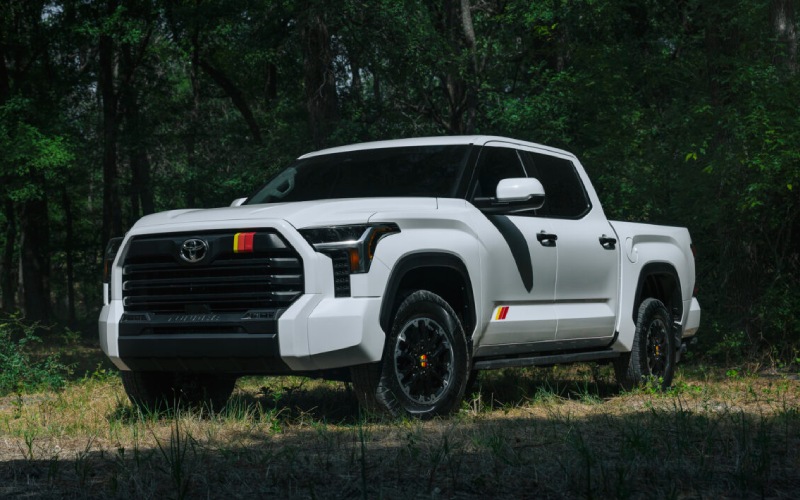
LaGrange Toyota – Which full-size truck – 2026 Toyota Tundra or Ford F-150 – is better for towing and daily comfort near Peachtree City, GA?
One of the most common questions truck shoppers ask is simple on the surface and layered underneath: Which truck feels better for towing and daily comfort, Toyota Tundra or Ford F-150? If you split time between weekday commuting, jobsite errands, and weekend boat runs around Peachtree City, GA, the answer hinges on repeatable torque, chassis calm, and how well the tech actually helps when you’re hitched up. Below, we unpack the strengths of each so you can pick the right fit for your driveway and your to-do list.
Tow ratings get the headlines, but the way a truck makes and manages torque defines confidence more than any single number. Toyota’s i-FORCE MAX hybrid pairs a twin-turbo V6 with an electric motor for 437 hp and 583 lb-ft of torque, while a 10-speed automatic keeps the engine in its sweet spot. That combination makes low-speed maneuvers easy and helps the truck settle quickly after gear changes—both noticeable when you’re easing a trailer down a ramp or merging onto a busy parkway. Ford’s 3.5L PowerBoost hybrid counters with 420 hp and 570 lb-ft, also matched with a 10-speed and a broad gear spread that tows well. The difference you feel from the driver’s seat is how readily the Tundra’s hybrid surges into its torque, and how consistently it holds that push on grades or during headwinds. On a long weekend haul, less shifting and more steady pull equals less fatigue.
Ride quality plays equally big in towing confidence. The Tundra runs a multi-link rear suspension with coil springs on every model, which helps calm fore-aft motion and reduce head toss in the cabin. Ford relies on leaf springs across most trims and a five-link coil-spring setup on Raptor. With a trailer in tow, Toyota’s approach pays off in steadier reactions over patched pavement and a more planted feel through sweeping curves. If you often tow on two-lane roads with uneven surfaces or into older marinas with broken concrete, the chassis that breathes with the surface is the one that leaves you feeling fresher at the end of the day.
Next up is the technology that makes the work feel easier. Toyota’s available Panoramic View Monitor stitches together multiple camera angles to show you what’s ahead, beside, and behind, and the Trailer Backup Guide with Straight Path Assist can help you reverse in a straight line while you keep your eyes on mirrors and surroundings. The interface is anchored by an available 14-in. touchscreen and a crisp 12.3-in. digital gauge cluster, which clearly surface tow/haul data and status. Ford brings its own strong helpers—available 360-degree camera coverage and Pro Trailer Backup Assist work well once you get comfortable with the controls—and a robust set of drive modes that tweak throttle, shifting, and stability control for the situation. The deciding factor for many shoppers is Toyota’s combination of larger screen real estate and towing-specific visual aids that are easy to read quickly when you’re managing a trailer.
Capability beyond the pavement matters too. Toyota’s TRD Off-Road Package and the TRD Pro grade add hardware to find traction and protect critical components when you leave the asphalt. Those bits are not just for trail days—they can prevent delays when your favorite launch or campsite involves rutted approaches and a bit of sand or clay. Ford’s Tremor and Raptor builds are serious off-road performers with their own loyal following. If you’re comparing core 4×4 trims, consider how you’ll use low-range, ground clearance, and tire choice in the places you visit most. For many owners who split time between towing on weekends and commuting during the week, the Tundra’s balance of composure, clearance, and usable tech checks more boxes.
The cabin is your daily office. Toyota’s available 14-in. touchscreen, wireless smartphone integration, and a layout that favors direct-access controls help reduce distraction when you’re thinking three moves ahead in tight traffic. The available JBL Premium Audio system adds some fun back into long miles, and higher trims bring top-tier materials, including semi-aniline leather in Capstone and the warm look of American walnut wood-grain trim on 1794 Edition. Ford’s cabin counters with a 12-in. display, an available head-up display, and an Interior Work Surface that’s excellent if you routinely take your laptop into the cab. On a daily basis, the Tundra’s crisp graphics and clear camera views give it an edge for quick-glance tasks while towing.
Safety and driver assistance deserve attention too. Every Tundra includes Toyota Safety Sense™ 2.5, bringing Pre-Collision System with Pedestrian Detection, Full-Speed Range Dynamic Radar Cruise Control, Lane Tracing Assist, and more. The net effect is consistent driver support across the lineup without having to chase specific option packages. Ford equips the F-150 with Ford Co-Pilot360 features, and available BlueCruise hands-free driving is a standout for highway miles. Hands-free capability is appealing on long interstate stretches; when towing, though, owners often favor the Tundra’s consistent, camera-forward awareness suite and trailer-specific helpers.
Finally, consider durability. Toyota builds the Tundra’s bed from an aluminum-reinforced composite that resists dents, impacts, and rust—ideal if you haul gear regularly and prefer not to babysit a bedliner. The Ford bed is strong and configurable, but the composite construction in Toyota’s bed is tailor-made for life with tools, coolers, and tie-down cycles. Fewer dings and less maintenance can add up to a cleaner, more usable bed space over years of ownership.
So, which full-size truck is better for towing and daily comfort near Peachtree City, GA? If your priority is confident torque right off the line, a ride that stays calm with a trailer attached, and towing tech that reduces the steps between you and a clean launch or backing job, Toyota’s approach with the Tundra makes a compelling case. If you want maximum available tow figures, a wide array of engine choices, and hands-free highway capability on select routes, Ford’s F-150 stays a strong contender. Most shoppers who test both end up preferring the Tundra’s power delivery, chassis poise, and camera-driven visibility when the truck is actually working.
When you’re ready to compare these strengths in person, plan a test drive sequence that mirrors your real life. Bring the family, connect your phone, mock up your typical cargo, and ask to demonstrate trailer assist features in a safe lot. A back-to-back in the same afternoon will highlight the differences quickly. And if you have questions about trims or towing best practices, our team can help you match a configuration to your needs without overbuying or underestimating what you’ll tow.
LaGrange Toyota is proud to support truck shoppers with the information and road time needed to feel confident in a big decision—one that should fit today’s projects and tomorrow’s plans.
We’re serving Peachtree City, Auburn, and Douglasville with a straightforward, test-drive-first process that focuses on your actual tasks—towing, hauling, commuting, and getting out of town for a little breathing room.
Frequently Asked Questions:
Can the Tundra’s i-FORCE MAX hybrid handle frequent towing?
Yes. Its 437 hp and 583 lb-ft of torque, paired with a 10-speed automatic and TOW/HAUL modes, provide steady pull and consistent temperatures, making it well-suited for recurring weekend towing.
How does Ford’s BlueCruise compare to Toyota’s driver assistance on long highway trips?
BlueCruise offers hands-free capability on approved highways, which some drivers appreciate for long, unladen interstate travel. Toyota Safety Sense™ 2.5 emphasizes consistent lane support and adaptive cruise, and the Tundra’s camera-based systems excel when towing or maneuvering at low speeds.
Is there a major difference in ride comfort when towing?
Many drivers feel the Tundra’s standard multi-link rear coil-spring suspension delivers calmer reactions over rough pavement versus leaf springs, which can result in less bounce and sway with a trailer attached.
Which truck has the better bed for long-term use?
The Tundra’s aluminum-reinforced composite bed resists dents and rust, a long-term advantage if you constantly load gear. The F-150’s bed is versatile and well-supported by accessories, but composite construction is a real durability win for Toyota.
0 comment(s) so far on Which full-size truck – 2026 Toyota Tundra or Ford F-150 – is better for towing and daily comfort near Peachtree City, GA?