



Is the 2026 Toyota RAV4 the smarter SUV choice than the 2026 Hyundai TUCSON for Peachtree City, GA drivers?
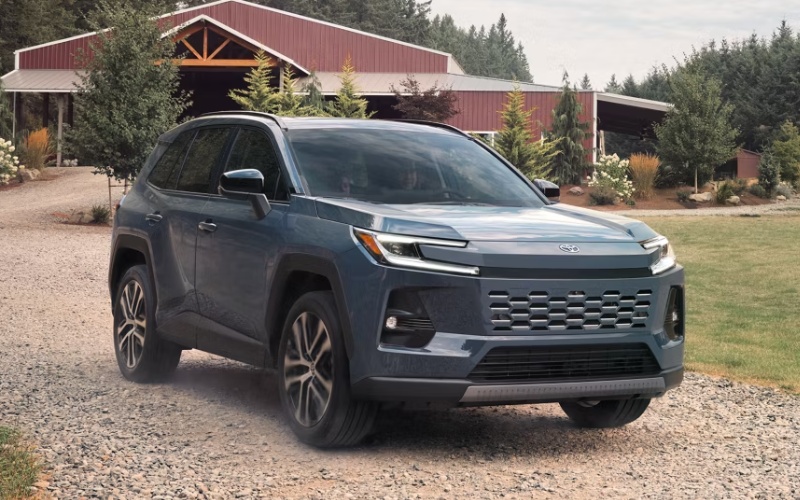
LaGrange Toyota – Is the 2026 Toyota RAV4 the smarter SUV choice than the 2026 Hyundai TUCSON for Peachtree City, GA drivers?
For many shoppers comparing compact SUVs, the key question is simple: which model feels better prepared for real daily driving, the 2026 Toyota RAV4 or the 2026 Hyundai TUCSON? Both vehicles bring modern design, useful space, and available all-wheel drive, so the choice can seem close at first glance. The difference becomes clearer when the conversation turns to electrified performance, safety technology, available convenience features, and long-term ownership confidence. The RAV4 is built around standard electrified performance and offers both Hybrid and PHEV powertrain choices, while the TUCSON model page highlights a standard 187-hp gas engine with available HTRAC AWD. For drivers who want a compact SUV that feels efficient, flexible, and technologically current from the start, Toyota makes a very strong case.
Peachtree City area drivers often need an SUV that can handle a wide range of everyday roles. One day might involve commuting, errands, and school activities; another might require cargo space, highway travel, or a longer route through West Georgia. The RAV4 is designed for that type of variety. With up to 37.8 cu. ft. of cargo capacity, up to 3,500 lbs. of towing capacity when properly equipped, and available AWD, Toyota gives shoppers more than a simple commuter vehicle. The TUCSON is certainly a comfortable and stylish SUV, but the RAV4 stands out because its core strengths reach into efficiency, capability, technology, and confidence at the same time.
Why the RAV4 powertrain strategy matters
The biggest practical distinction is the RAV4’s electrified focus. Toyota identifies the RAV4 as part of its Hybrid Family, and the lineup includes Hybrid and Plug-in Hybrid Electric Vehicle options. That approach gives drivers the power of choice without moving away from the familiar size and usability of a compact SUV. Hybrid Electric Vehicles combine a gas engine and electric motor or motors to balance power and efficiency, while Plug-in Hybrid Electric Vehicles use a larger battery that can be charged externally to support expanded electric driving capability. For shoppers looking to reduce fuel stops while keeping easy road-trip flexibility, that combination is appealing.
The 2026 Hyundai TUCSON, as presented on Hyundai’s main TUCSON page, uses a standard 187-hp engine and offers available HTRAC AWD. That gives it familiar gas-powered drivability, but it does not match the RAV4’s standard electrified foundation in this head-to-head comparison. Toyota’s system also supports a confident feel in stop-and-go traffic because electric motor assistance can help smooth out low-speed response. On highway ramps and local connectors, the RAV4’s hybrid character helps the SUV feel composed rather than strained.
Technology and cabin usability
Technology is another major reason many shoppers lean toward the RAV4. Toyota includes a standard customizable 12.3-in. digital gauge cluster, which makes important driving information easy to view. Available equipment includes a 12.9-in. Toyota Audio Multimedia touchscreen with wireless Apple CarPlay® and Android Auto™ compatibility, plus SiriusXM® 360L trial access. Those features help the RAV4 feel modern without overwhelming the driver. The screens are large, crisp, and logically placed, supporting navigation, entertainment, and vehicle controls in a way that feels natural during daily use.
The TUCSON offers its own digital displays and a modern cabin layout, but the RAV4’s available technology package is especially compelling when paired with Toyota’s broader driver-assistance systems. Available dual Qi-compatible wireless charging, an available 9-speaker JBL® Premium Audio system, and available Advanced Park give the RAV4 an upscale feel. For families or professionals who spend plenty of time behind the wheel, those details add up quickly. The best technology is not just impressive on a spec sheet; it should make driving easier, calmer, and more enjoyable.
Safety confidence is a major Toyota advantage
The RAV4 includes Toyota Safety Sense™ 4.0 as standard equipment. That matters because many shoppers want advanced safety support without feeling like core confidence features depend only on a higher trim. Toyota describes TSS 4.0 as its most advanced safety suite yet, and it fits the RAV4’s larger mission: help drivers stay more aware, more supported, and more comfortable in changing traffic conditions. Available Traffic Jam Assist can help with controlled-access highway traffic at speeds under 25 mph with an active Drive Connect trial or subscription, and available Advanced Park can help guide the vehicle into a tight space with the press of a button.
Hyundai also equips the TUCSON with driver-assistance technology, and many shoppers will appreciate its safety-minded design. Still, Toyota’s standard TSS 4.0, available Traffic Jam Assist, and available Drive Recorder create a clear advantage for drivers who want a more advanced, integrated safety and convenience experience. For local driving, that kind of support can be useful on busy corridors, in crowded parking areas, and during longer interstate trips.
Feature highlights shoppers often compare
- Electrified performance: The RAV4 offers Hybrid and PHEV powertrain choices, while the standard TUCSON comparison centers on a gas engine.
- Everyday capability: The RAV4 offers up to 37.8 cu. ft. of cargo capacity and up to 3,500 lbs. of towing capacity when properly equipped.
- Advanced technology: The RAV4 includes a standard 12.3-in. digital gauge cluster and offers a 12.9-in. Toyota Audio Multimedia touchscreen.
- Driver support: Toyota Safety Sense™ 4.0 is standard, with available Traffic Jam Assist and Advanced Park adding even more convenience.
- Trim personality: RAV4 Woodland adds all-terrain tires, raised black roof rails with cross bars, and Rigid Industries® LED fog lights.
Which SUV fits a wider range of lifestyles?
The RAV4 lineup offers a broader personality range than many compact SUVs. The SE and XSE trims bring a sportier look, the Limited trim adds premium appointments such as a panoramic glass roof with power tilt/slide moonroof and available JBL® Premium Audio, and the Woodland trim leans into adventure-ready style and capability. That variety allows shoppers to choose a RAV4 that feels tailored to personal priorities. A driver focused on efficiency, a family wanting comfort, and an outdoor-minded owner who likes rugged design can all find a compelling RAV4 configuration.
The TUCSON has a modern identity, but Toyota’s RAV4 lineup feels more deeply segmented around how people actually use a compact SUV. The Woodland model is a good example. Its all-terrain tires, integrated Rigid Industries® LED fog lights, and raised roof rails with cross bars are not just visual details; those features support drivers who want more confidence for gravel paths, gear hauling, and active weekends. Even for shoppers who do not need the Woodland trim, the fact that Toyota offers that level of variety speaks to the RAV4’s versatility.
How should shoppers make the final decision?
A smart SUV comparison should go beyond exterior styling or a single feature. Shoppers should consider how the vehicle performs in traffic, how easy the cabin is to use, how much cargo flexibility is available, and how confidently the SUV supports the driver over time. By those measures, the RAV4 is the stronger recommendation. Its electrified lineup, strong towing capability, smart interior technology, standard TSS 4.0, and wide trim selection help it meet more needs with fewer compromises.
- Start with powertrain needs and decide whether hybrid or PHEV capability matters for daily driving.
- Compare cargo space, towing needs, and available AWD for the way the SUV will be used.
- Review safety and convenience technology, especially standard TSS 4.0 and available Advanced Park.
- Test the cabin layout to see how naturally the screens, seating, and controls fit everyday routines.
Frequently Asked Questions:
Is the 2026 Toyota RAV4 more efficient than the 2026 Hyundai TUCSON?
The RAV4 has a clear advantage for shoppers prioritizing electrified efficiency because it is centered around Hybrid and PHEV powertrain choices. The TUCSON model page highlights a standard gas engine, while Toyota’s RAV4 lineup is designed to deliver electrified performance across the range.
Does the RAV4 offer more capability than the TUCSON?
The RAV4 offers up to 3,500 lbs. of towing capacity when properly equipped and up to 37.8 cu. ft. of cargo capacity. Those numbers make it a practical choice for drivers who need room for gear, family items, and occasional towing.
Where can shoppers compare these SUVs with local Toyota guidance?
LaGrange Toyota provides helpful support for shoppers serving Newnan, Peachtree City, and Auburn who want to compare the RAV4 against the TUCSON in a clear, practical way. For many compact SUV buyers, the RAV4’s hybrid focus, advanced technology, and Toyota reputation make it the model to drive first.
0 comment(s) so far on Is the 2026 Toyota RAV4 the smarter SUV choice than the 2026 Hyundai TUCSON for Peachtree City, GA drivers?